
used outdoor gear
As the passion for camping and hiking continues to sweep the globe, the secondary market for outdoor equipment has become a goldmine for savvy enthusiasts. However, for the uninitiated, it can also be a minefield of hidden defects and expired technology. Unlike standard consumer goods, outdoor gear relies on delicate chemical coatings and structural integrity that degrade over time, often invisibly to the naked eye.
Having spent over a decade navigating the complexities of the secondary market, buying and selling everything from ultralight tents to high-altitude stoves, I’ve developed a keen eye for what truly matters in a transaction. I have seen countless buyers lose hundreds of dollars on gear that looks “mint” but fails on its first trip. To protect your investment and your safety, I have compiled this definitive 8-point inspection guide for your next used gear hunt.
1. Used Tents and Tarps: The Secrets of Tackiness (Hydrolysis) and Seam Tape
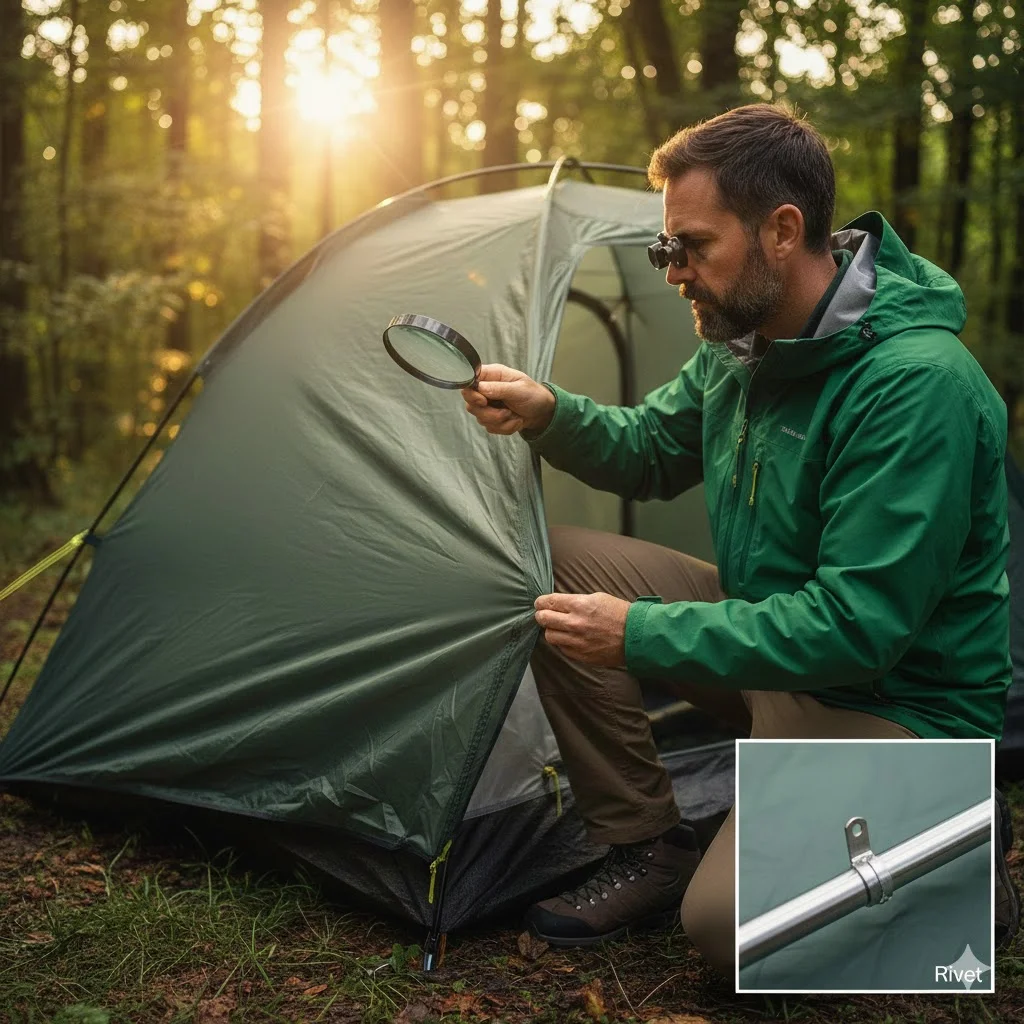
The most expensive part of any camping setup is usually the tent, but it’s also the piece of gear most susceptible to poor storage. When inspecting a used tent, your first sense to use isn’t just sight—it’s touch and smell. Reach inside the flysheet and feel the Polyurethane (PU) coating; if it feels tacky or emits a sharp, vinegary odor, the tent is suffering from ‘Hydrolysis’. This ‘sticky tent syndrome’ is irreversible and means the waterproof barrier is disintegrating, rendering the tent practically useless.
Furthermore, focus your attention meticulously on the seam tape, the transparent, waterproof strip covering the stitches. On aging or heat-damaged tents, this tape often begins to cloud and peel away from the fabric. If you observe white, flaky edges, the tent is no longer waterproof, and attempting to re-seal it professionally can cost more than the used price itself. It is imperative to fully spread the fabric in a well-lit area to check for ‘pinholes’ or areas of coating delamination. If you cannot pitch the tent, throw the fabric over your head and look up at the bright sky, stretching sections to reveal any light-leaking holes.
Lastly, inspect the condition of the tent poles. Bent sections or significant ‘play’ in the connection points indicate structural fatigue, posing a risk of collapse in strong winds. Simply requesting pitching photos is insufficient; you must physically connect each pole section and scrutinize it for cracks or bends. Even without pitching the entire tent, form the poles into their intended curvature to simulate a pitched state, paying close attention to the 4-5 segments on either side of the center, as these endure the most stress.
Given it’s a used item, minor dirt or small holes in the skirt are often acceptable. If these issues bother you, purchasing new is advisable. For a rough guideline on used tent pricing, expect to pay around 70% of the original price for like-new condition, 50% for a tent used about 10 times over two years, and around 30% for anything older or more heavily used. The 30% bracket is generally not recommended unless it’s a specific model you’ve always wanted or a collectible item. Remember, purchase dates are crucial, but usage counts can easily be understated. Always inspect the tent thoroughly on a sunny day.
2. Stoves and Cookware: Safety-Critical Nozzles and Contamination
Stoves and other cooking appliances are among the most critical items to inspect when buying used, as defects can lead to significant safety hazards. Even if a stove looks clean, gas leaks or faulty igniters are common. You must connect a gas canister and observe the flame. A consistent blue flame is ideal; if it’s sputtering, red, or yellow, it signals a clogged nozzle or incomplete combustion, which can produce dangerous carbon monoxide.
For cookware, especially those with non-stick coatings, the integrity of the coating is paramount. Scratched or peeling Teflon coatings on aluminum pots can leach harmful substances into food, making them unsuitable for purchase. Realistically, non-stick and aluminum cookware tend to degrade quickly with rough outdoor use, so buying them used is not recommended. For stainless steel or titanium, check for severe discoloration or dents. Cookware previously used with high-output ‘Reactor’ type stoves may have severe heat warping on the base, so verify it sits flat.
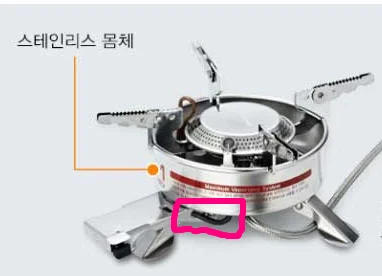
If the product includes a gas hose, flex the rubber to check for cracks or hardening. An aged or compromised hose is a severe fire risk. Remember, for safety-critical consumables, even a low used price might not offset the cost and risk of replacement, making a new purchase a safer option. Always bring a gas canister to the transaction and test the stove. Also, gently pull on the gas supply line to check its durability. Models like the Kovea Camp 1 have known issues with the starter ignition line easily detaching from the main body.
[Category-Specific Inspection Checklist for Used Outdoor Gear]
| Category | Key Inspection Point (Must Check) | Immediate Red Flags (Avoid) |
| Tents / Tarps | PU coating tackiness, seam tape lifting, pole cracks | Hydrolysis (sticky), moldy smell, significant burn holes |
| Stoves / Cookware | Gas nozzle leaks, igniter function, coating condition | Hissing gas, irregular flame, coating delamination |
| Camping Furniture | Frame ‘play,’ stripped threads, fabric sagging | Warped folding parts, loud noises, insecure connections |
| Technical Apparel | Membrane delamination (bubbling), DWR function, zipper condition | Detached internal seam tape, fabric discoloration/stains |
| Hiking Footwear | Outsole wear, midsole hydrolysis, upper damage, manufacture date | Hardened outsole, boots older than 5 years |
3. Camping Furniture: Structural Stability of Tables and Chairs
For furniture like tables and chairs, focus intently on the frame’s connection points and any threaded fasteners. Due to outdoor exposure, dirt and sand can accumulate, causing folding mechanisms to stiffen or frames to warp. It’s crucial to assemble the item on-site and sit on it. Check for any ‘play’ in the connections or unstable noises when weight is applied.
For lightweight chairs, pay close attention to the plastic hubs that hold the pole frames, as well as the ‘Rivet’ joints. Even tiny cracks in these areas can lead to sudden failure and potential injury during use. The stitching where the chair fabric meets the frame is another common failure point, so examine it for signs of tearing or weakening. For tables, ensure the tabletop is level. If it’s a roll-top table, confirm the elastic cords holding the slats together still have good tension. Pay particular attention to the hinges and bolted/riveted connection points of tables, as these areas experience the most stress during setup and takedown and are prone to durability issues.
4. Hiking Footwear and Consumables: The Invisible Danger of ‘Hydrolysis’
For hiking boots, the manufacture date of the outsole and midsole is far more critical than the surface condition of the leather. Rubber compounds, like those from Vibram, can harden over time, drastically reducing grip. Boots older than five years are especially susceptible to ‘Hydrolysis,’ where the midsole crumbles into powder, potentially leading to serious accidents on the trail. I once experienced this firsthand while hiking Wolaksan with 12-year-old boots; the lack of grip caused me to slip twice on tree roots, while my friend in Nike trekking shoes had no issues. A side-by-side comparison of grip on tree roots revealed a severe difference.
Beyond checking tread patterns, press your thumbnail into the outsole to test its elasticity. If the sole feels hard like plastic, it will offer poor traction on rocks. Also, lift the insole to check for mold or severe contamination on the footbed, which is important for hygiene.
Buying used gear is an excellent way to acquire quality equipment at a lower cost, but neglecting proper inspection can lead to safety hazards. I strongly recommend saving these 8 checklists on your smartphone and referring to them during your in-person transactions. Thorough inspection is the only way to ensure your enjoyable and safe outdoor life.